
In every home, the pantry holds the potential to be a cornerstone of culinary creativity or a source of daily frustration. Mastering pantry organisation is more than just tidying up shelves—it’s about transforming a chaotic space into a harmonious culinary hub that inspires efficiency and enjoyment. Whether you’re an avid cook or someone who wants to streamline meal prep, a well-organised pantry can make a significant difference in your kitchen experience.
This article delves into practical strategies and expert tips to help you achieve pantry organisation that lasts. You’ll discover methods to categorize, store, and maintain your pantry, turning it into a space where every ingredient is within easy reach and nothing goes to waste.
Why is Pantry Organisation Important?
Pantry organisation directly impacts your cooking efficiency, budget, and even food waste. When your pantry is cluttered or disorganized, you might end up purchasing duplicates, forgetting about expiring items, or spending unnecessary time searching for ingredients. According to a study by the Natural Resources Defense Council, up to 40% of food in the United States goes uneaten, often due to poor storage and organisation.
By mastering pantry organisation, you improve meal planning, reduce stress during cooking, and save money by using what you already have. Additionally, a tidy pantry creates a sense of calm and order in your kitchen, contributing to an overall better home environment.
What Are the Key Steps to Organising Your Pantry?
Transforming your pantry from chaos into culinary harmony involves several deliberate steps. Below is a detailed guide you can follow:
1. Empty and Assess
Start by completely emptying your pantry. This allows for a thorough cleaning and gives you a fresh perspective on what you have. Check expiration dates and set aside items that are expired or no longer used for donation or disposal.
2. Categorize Items
Group pantry goods by type and usage frequency. Common categories include:
- Grains and pasta: rice, quinoa, spaghetti
- Canned goods: beans, tomatoes, soups
- Baking supplies: flour, sugar, baking powder
- Snacks and cereals: crackers, granola bars
- Spices and condiments: herbs, oils, sauces
- Bulk items: nuts, dried fruits
3. Choose Suitable Storage Containers
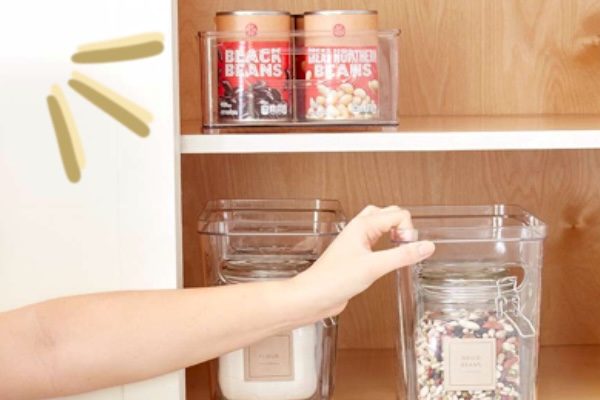
Investing in clear, airtight containers helps keep food fresh and visible. Uniform containers stack neatly, saving space and making it easier to spot what you need. For example, using glass jars for grains and resealable bags for snacks can improve accessibility.
4. Implement a Logical Layout
Place frequently used items at eye level or within easy reach. Reserve higher or lower shelves for items used less often. Consider organizing by meal types or cooking frequency to streamline your workflow.
5. Label Everything
Labels provide immediate identification and encourage you and your family to maintain order. Use waterproof labels or a label maker to create clear, readable tags.
6. Maintain Regularly
Schedule a pantry review every 3 to 6 months to discard expired products and tidy up. Regular maintenance prevents clutter from building up again.
How Can You Maximize Space in a Small Pantry?
Small pantries require creative solutions to maximize every inch. Here are some effective tips:
- Use vertical space: Install additional shelves or hanging racks on the pantry door.
- Incorporate pull-out baskets: These provide easy access to items stored at the back.
- Stack containers: Opt for stackable storage to utilize height efficiently.
- Magnetic strips: Attach spice jars or small metal containers to magnetic strips on the door or walls.
- Door organizers: Use slim, multi-tiered racks for small items like packets and bottles.
Mini Case Study: Small Pantry Transformation
Jessica, a city dweller with a pantry space of just 3 square feet, transformed her cluttered shelf into a streamlined zone by adding three pull-out wire baskets and uniform clear containers. By categorizing items and labeling each container, she reduced her pantry clutter by 60% and cut her meal prep time by 15 minutes daily.
What Are Common Mistakes to Avoid in Pantry Organisation?
Even with good intentions, some pitfalls can undermine your pantry organisation efforts. Be mindful of these common mistakes:
- Overstocking: Buying in bulk without a plan can lead to overcrowding and wasted food.
- Ignoring expiration dates: Failing to rotate stock leads to expired goods and unnecessary waste.
- Using opaque storage: Containers that hide contents make it harder to track supplies.
- Neglecting maintenance: Without regular tidying, even the best system can fall apart.
- Failing to personalize: A one-size-fits-all approach may not fit your cooking style or family’s needs.
How Does Pantry Organisation Enhance Your Cooking Experience?
Beyond aesthetics, an organised pantry contributes to a smoother cooking process. When ingredients are easy to find, you’re less likely to skip recipes or opt for unhealthy takeout. Meal planning becomes simpler, and you can keep better track of what needs replenishing.
For example, a home cook who organises spices by cuisine type—such as Italian, Mexican, or Indian—can quickly grab the right seasoning blend, saving time and elevating dish authenticity. Similarly, grouping baking essentials together helps bakers avoid last-minute trips to the store.
What Tools and Accessories Can Support Pantry Organisation?
| Tool/Accessory | Purpose | Benefits |
|---|---|---|
| Clear Airtight Containers | Store dry goods like flour, rice, and pasta | Keep food fresh longer, improve visibility, and reduce spills |
| Stackable Bins | Organize snacks, canned goods, and bulk items | Maximize vertical space and keep similar items grouped |
| Lazy Susans | Store spices and small jars | Easy access to multiple items without knocking others over |
| Label Maker or Waterproof Labels | Identify contents of containers and shelves | Encourages system maintenance and reduces confusion |
| Door Racks and Hooks | Utilize door space for bottles, packets, or lightweight tools | Increase storage capacity without taking up shelf space |
How to Maintain Your Organised Pantry Over Time?
Creating an organised pantry is just the beginning. Maintaining it requires habits and periodic reviews:
- Follow the FIFO method: “First In, First Out” ensures older items get used before new purchases.
- Weekly spot checks: Quickly scan for spills, misplaced items, or low stock.
- Involve family members: Educate everyone on the system so the pantry stays neat.
- Adjust as needed: If certain storage solutions aren’t working, don’t hesitate to reorganise.
Consistency in these habits can keep your pantry functional and inviting for years to come.
Conclusion: Take the First Step Towards Pantry Perfection
Mastering pantry organisation is a rewarding journey that yields practical benefits and culinary joy. By decluttering, categorizing, and implementing smart storage solutions, you transform your pantry into an efficient, inspiring space. Remember, the key lies in understanding your own cooking habits and maintaining your system regularly.
Ready to embrace pantry organisation? Start by emptying your pantry this weekend and assessing what you have. From there, apply the strategies shared here step by step. As you cultivate order in your pantry, you’ll find meal preparation becomes easier, food waste diminishes, and your kitchen atmosphere improves.
Take action today: organize one shelf or one category of items and experience the immediate difference. Your future self—and your meals—will thank you.
Better Plant Care: Mastering the Basics of Watering

Create an Eco-Friendly Home and Garden in the UK
Mastering Pantry Organisation: Transforming Chaos into Culinary Harmony

Transform Your Space: Modern Bathroom Renovation Ideas

Elevate Your Space: Expert Home Styling Tips for a Timeless Aesthetic

Rebuilding Your Heart: Steps to Recover After a Breakup

Recognizing the Red Flags: 10 Signs You’re in a Toxic Relationship

Unlocking Intimacy: 50 Deep Questions for Couples

Happy Couple: Proven Strategies for Lasting Love

