
Watering plants might seem like a straightforward task, but mastering the art of hydration is essential for thriving, healthy greenery. Many plant enthusiasts struggle with common watering mistakes that lead to overwatering, underwatering, or inconsistent care. Understanding how to water your plants like a pro not only promotes robust growth but also maximizes the life and beauty of your indoor and outdoor garden. In this article, you will discover practical watering plants tips that will elevate your gardening routine and help you nurture your plants with confidence.
Why Proper Watering Matters for Your Plants
Water is the lifeblood of plants. It facilitates nutrient transport, supports photosynthesis, and maintains cellular structure. However, too much or too little water can stress plants, making them vulnerable to diseases and stunting their growth. Proper hydration ensures your plants develop strong roots, vibrant leaves, and abundant blooms. Whether you have succulents, tropical houseplants, or outdoor perennials, tailored watering practices are key to their success.
How Do You Know When to Water Your Plants?
One of the most common questions among gardeners is identifying the right time to water. Instead of following a strict schedule, observe your plants and their environment.
- Check the soil moisture: Use your finger to test the top 1–2 inches of soil. If it feels dry, it’s time to water. For succulents, wait until the soil is completely dry.
- Lift your pots: Heavier pots usually indicate moist soil, while lighter pots suggest dryness.
- Look at the plant: Wilting or dull-looking leaves can signal dehydration, but beware—overwatered plants can wilt too.
Practical Tip:
Invest in a moisture meter for more precise readings, especially if you have many plants or are unsure. This tool can prevent guesswork and help you avoid overwatering.
How Much Water Do Different Plants Need?
Water requirements vary widely depending on the species, pot size, climate, and season. Here’s a quick guide to watering frequency for common houseplants:
| Plant Type | Watering Frequency | Watering Amount |
|---|---|---|
| Succulents and Cacti | Every 2–3 weeks | Deep soak, then dry out completely |
| Tropical Plants (e.g., Monstera, Philodendron) | Once a week | Moderate watering, keep soil moist but not soggy |
| Flowering Plants (e.g., African Violets, Geraniums) | 2–3 times per week | Water thoroughly, allow slight drying between sessions |
| Herbs (e.g., Basil, Mint) | Every 2–3 days | Keep soil consistently moist |
Adjust watering frequency during winter or rainy seasons, as plant growth slows and soil moisture levels naturally increase.
What Are the Best Watering Techniques?
Applying water correctly is as important as timing and quantity. Here are professional watering plants tips to improve your technique:
- Water at the base: Direct water at the soil, not the leaves, to avoid fungal infections and leaf damage.
- Use room temperature water: Cold water can shock roots, especially for tropical plants.
- Water thoroughly but infrequently: Ensure water reaches the root zone. Light sprinkling often leads to shallow roots and weaker plants.
- Drainage matters: Always use pots with drainage holes to prevent waterlogging and root rot.
Example:
For a medium-sized Monstera, water until you see it draining out the bottom of the pot, then let it dry out before the next watering. This promotes deep root growth and healthier foliage.
Should You Water Plants in the Morning or Evening?
Watering time can influence plant health. Generally, the best time is in the morning. Here’s why:
- Morning watering allows plants to absorb moisture before the heat of the day.
- Excess water on leaves dries quickly, reducing fungal risks.
- Evening watering can leave leaves damp overnight, encouraging mold or mildew.
However, if mornings are not convenient, early afternoon watering is acceptable, especially in cooler climates.
Can Overwatering Harm Your Plants?
Absolutely. Overwatering is a leading cause of plant problems. It suffocates roots by filling air pockets in the soil, leading to root rot and fungal infections.
- Signs of overwatering: Yellowing leaves, soft stems, moldy soil surface, and wilting despite wet soil.
- How to fix: Reduce watering frequency, improve drainage, and consider repotting with fresh, well-draining soil.
Mini Case Study:
Jane noticed her peace lily’s leaves turning yellow and drooping. After checking the soil, she found it soggy. By cutting back on watering to once every 10 days and ensuring the pot had adequate drainage, her plant recovered fully within 3 months.
What Are Some Tools to Help You Water Plants Like a Pro?
Several handy tools can make watering easier and more precise:
- Moisture meters: Measure soil moisture accurately.
- Drip irrigation systems: Provide slow, consistent watering, ideal for garden beds.
- Self-watering pots: Great for busy plant owners, these pots store water and release it gradually.
- Watering cans with long spouts: Allow targeted watering without disturbing soil.
How Can You Adjust Watering for Seasonal Changes?
Plants’ water needs fluctuate with seasons:
- Spring & Summer: Active growth demands more water; increase frequency and amount accordingly.
- Fall: Gradually reduce watering as growth slows.
- Winter: Most houseplants enter dormancy and require minimal watering, sometimes as infrequent as once a month.
Monitoring your plants closely during these transitions prevents stress and promotes long-term health.
Summary and Actionable Steps
Mastering the art of hydration means understanding your plants’ unique needs, observing environmental cues, and applying watering techniques thoughtfully. By doing so, you can avoid common pitfalls like overwatering or underwatering and nurture a vibrant, flourishing garden.
- Check soil moisture regularly rather than sticking to rigid schedules.
- Water deeply and at the base of the plant using room temperature water.
- Choose the right time to water, preferably in the morning.
- Adapt your watering routine to seasonal changes and plant types.
- Use tools like moisture meters and self-watering pots to simplify care.
Start today: Pick one plant and apply these watering plants tips to observe the difference. With patience and attention, your plants will reward you with lush growth and enduring beauty.
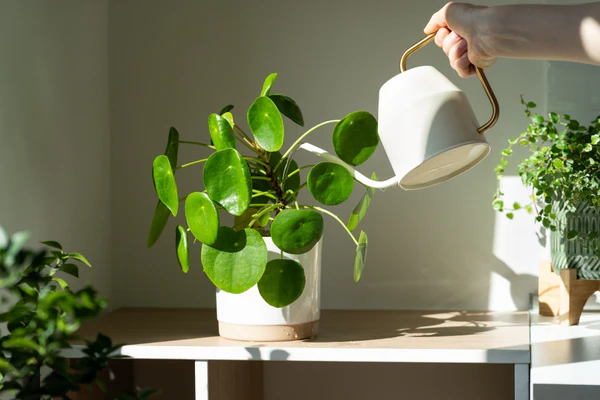
Better Plant Care: Mastering the Basics of Watering
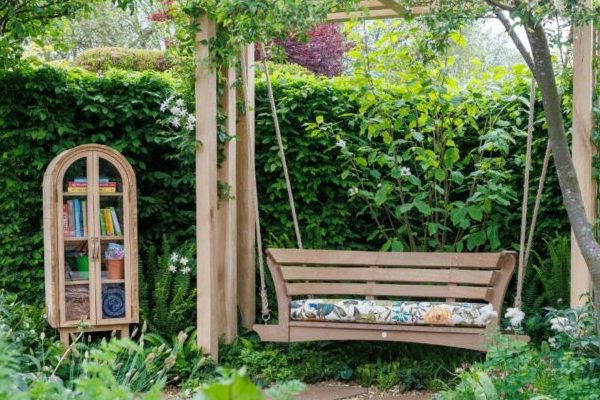
Create an Eco-Friendly Home and Garden in the UK

Mastering Pantry Organisation: Transforming Chaos into Culinary Harmony
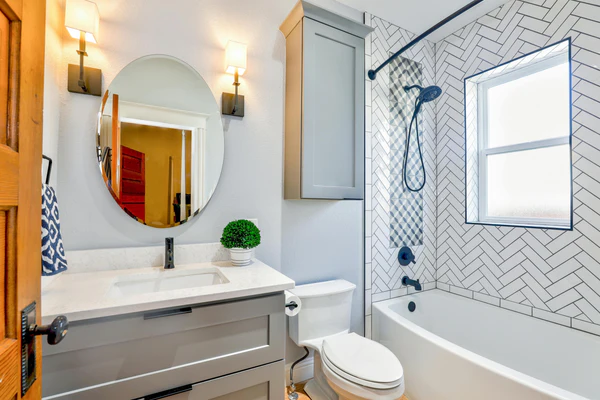
Transform Your Space: Modern Bathroom Renovation Ideas

Elevate Your Space: Expert Home Styling Tips for a Timeless Aesthetic

Rebuilding Your Heart: Steps to Recover After a Breakup

Recognizing the Red Flags: 10 Signs You’re in a Toxic Relationship

Unlocking Intimacy: 50 Deep Questions for Couples

Happy Couple: Proven Strategies for Lasting Love

